Automatic vs. Manual Tarp Systems: Which Is Right for Your Baton Rouge Fleet?
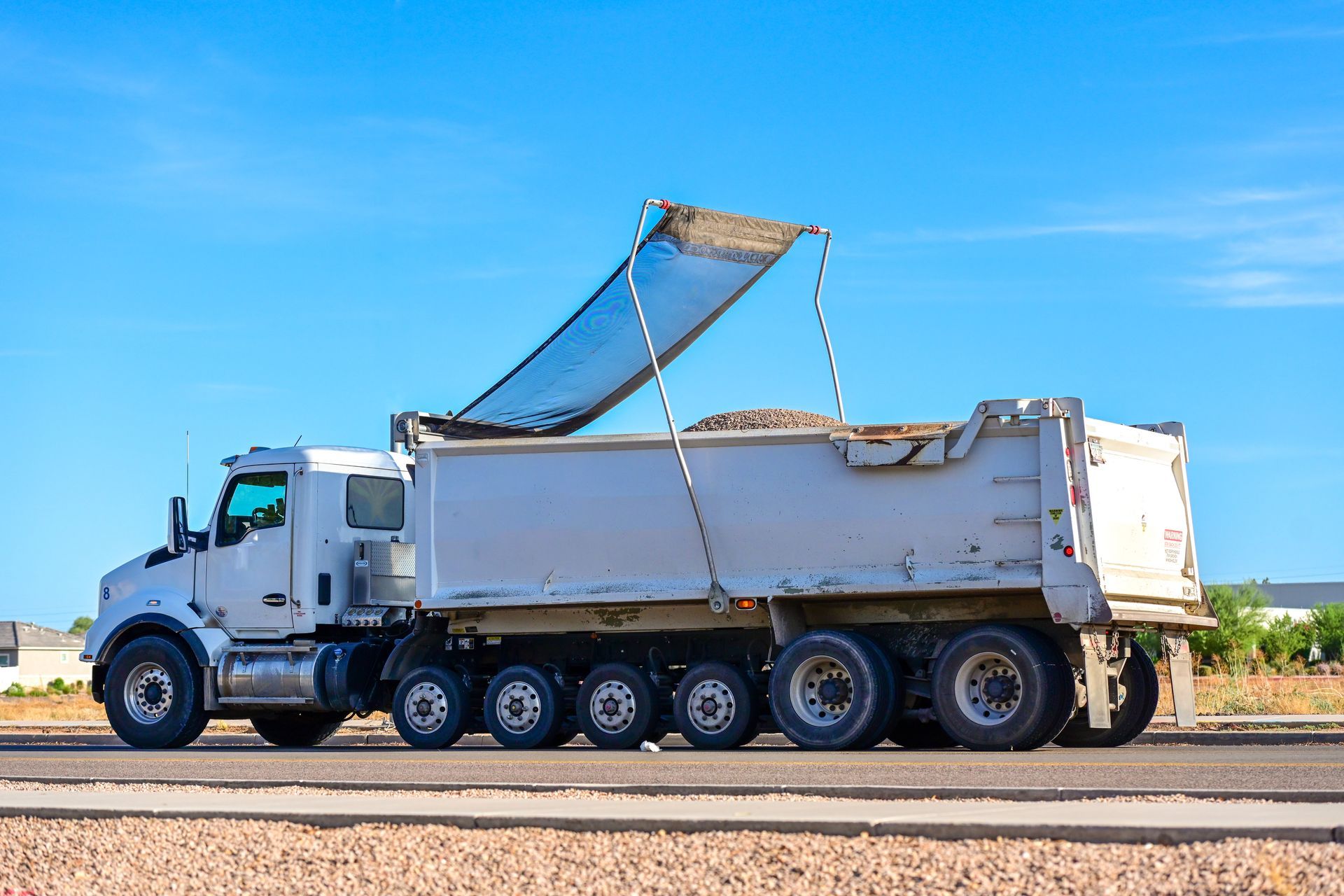
Choosing between manual and industrial automatic tarp systems is one of the most practical decisions a Baton Rouge fleet manager can make. Understanding the differences can directly affect your productivity, safety record, and long-term operating costs.
How Each System Type Works
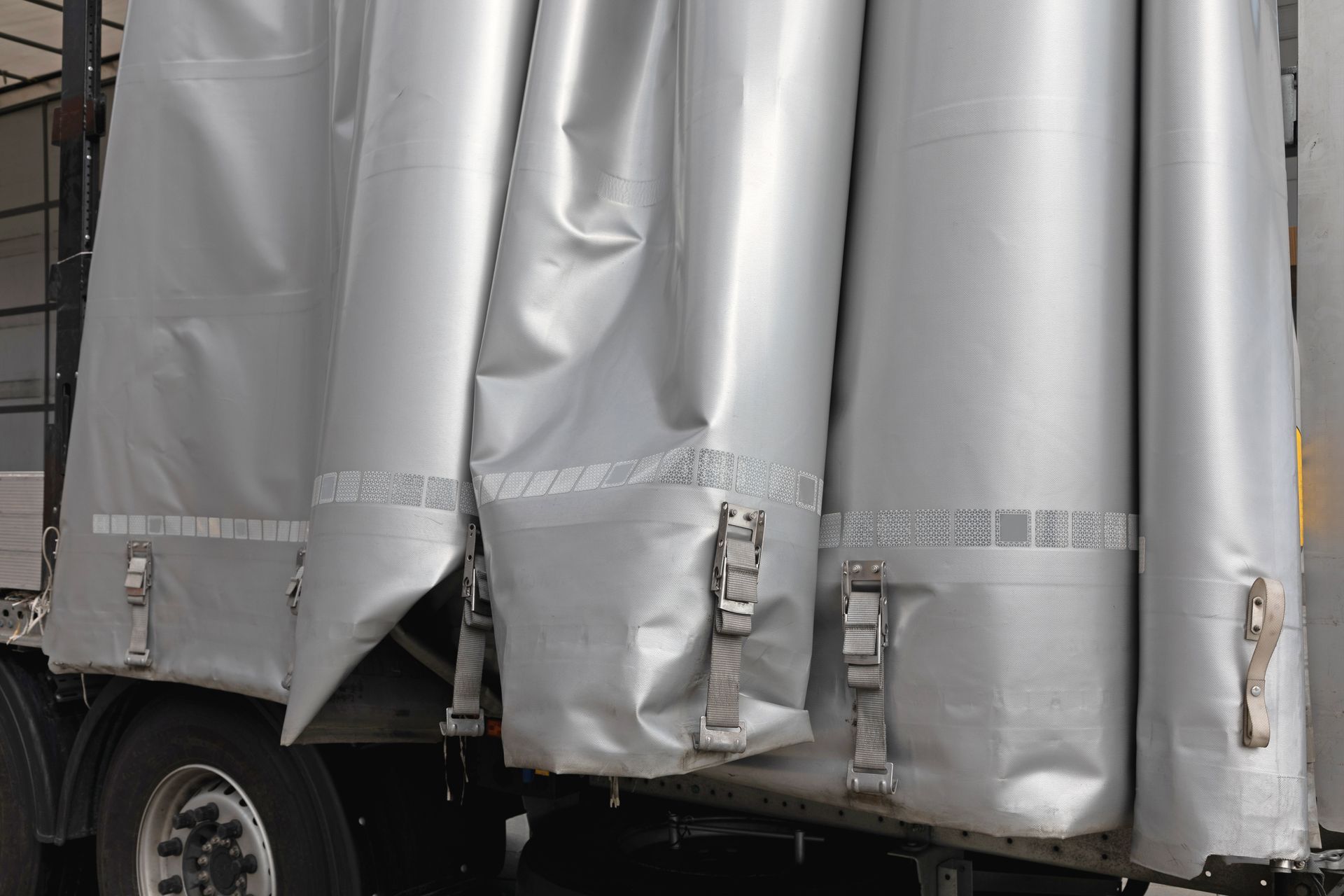
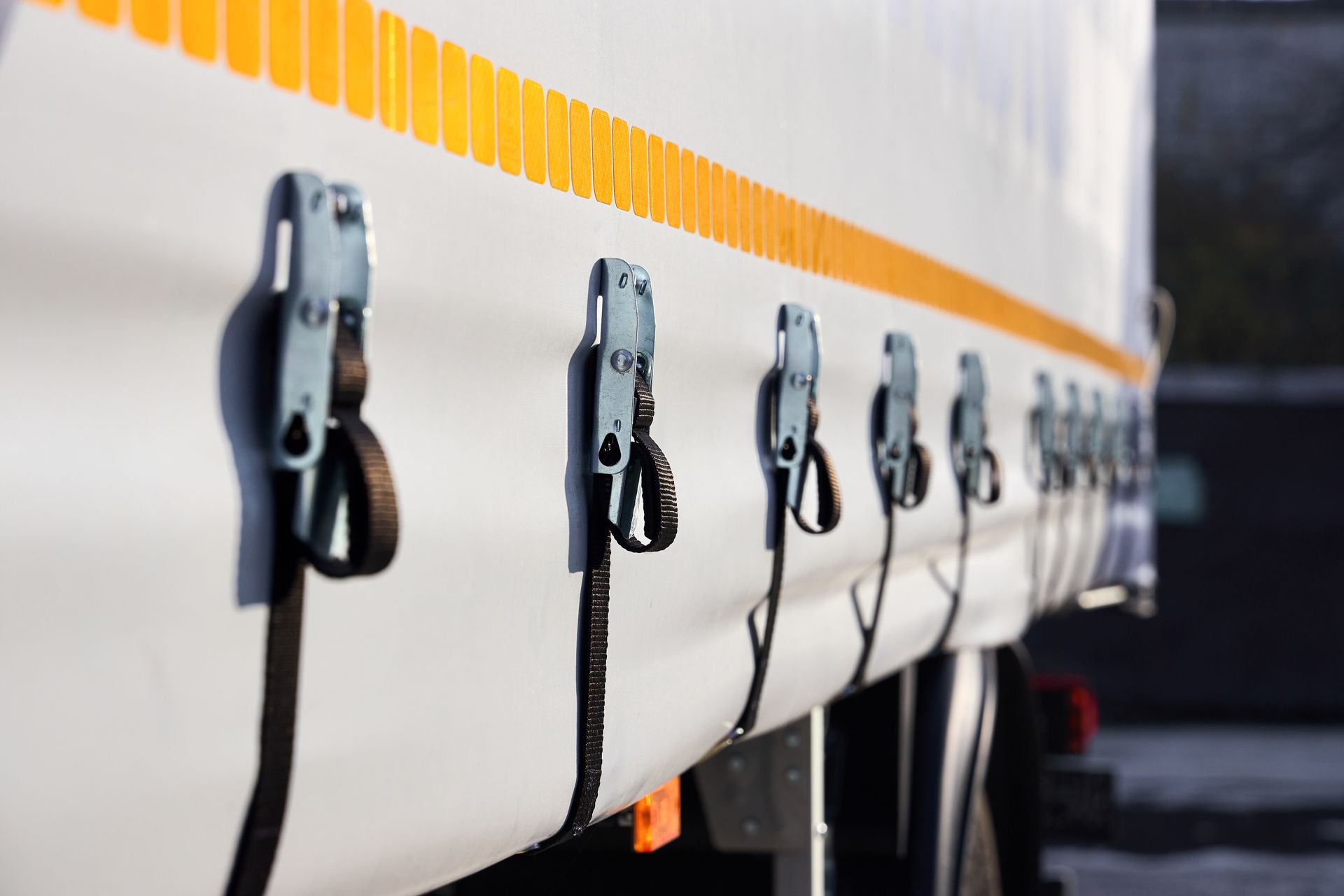
Manual and automatic tarp systems both cover open loads, but in very different ways. A manual system relies on a driver physically pulling a tarp across the load, anchoring it with straps or bungees, then repeating the process at the job site. Industrial automatic tarp systems use a motorized mechanism, typically electric or hydraulic, to deploy and retract the cover at the push of a button. Systems from manufacturers such as Roll Rite, Shurco, and US Tarp can cover a full load in seconds from ground level.
Manual Tarp Systems: What They Involve
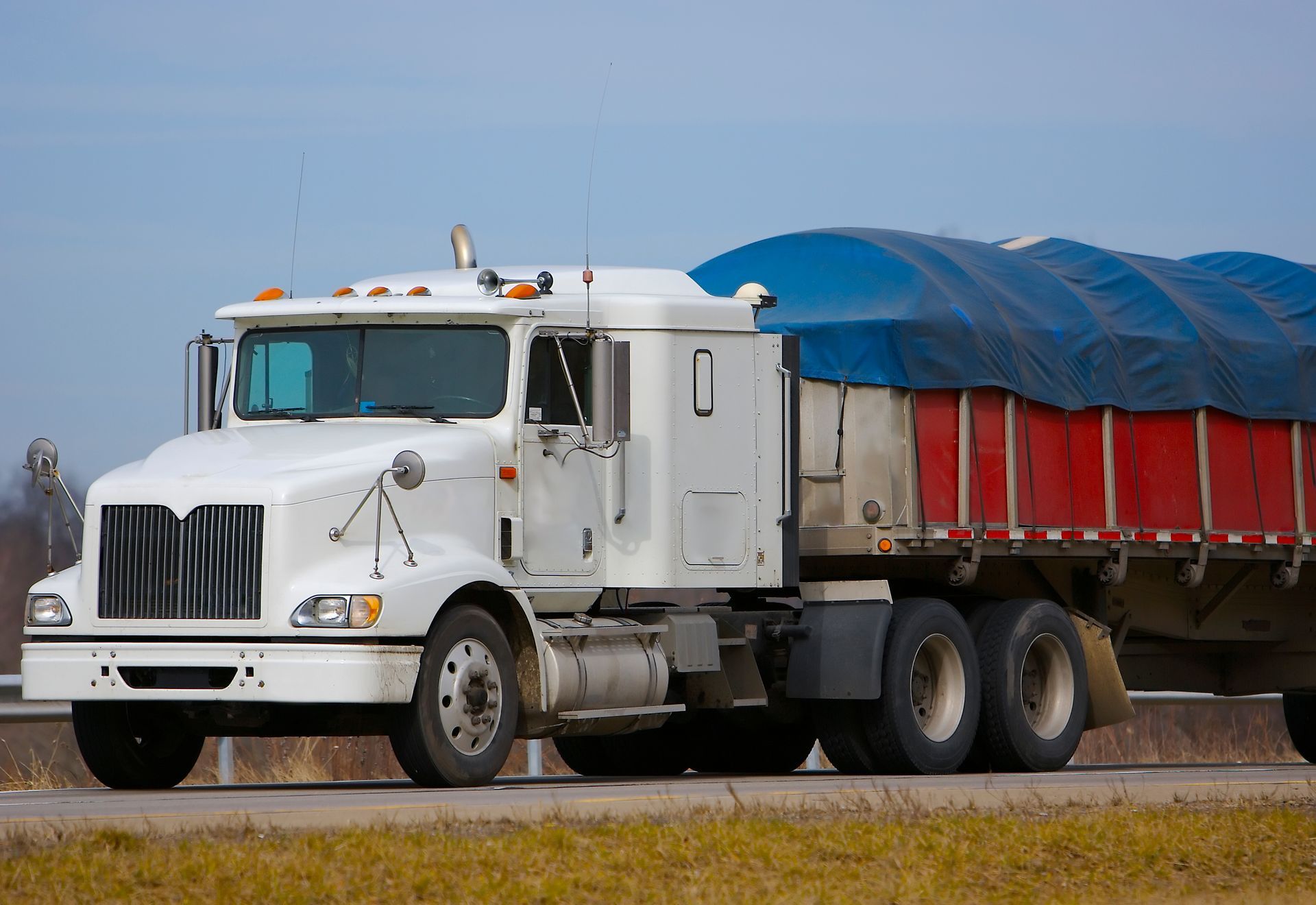
Manual systems are simpler in component count and require no electrical connection to the truck. Drivers climb on or around the load to spread and secure the tarp. For lighter or intermittent hauling, this can be workable. However, repeated manual tarping adds time to every run, and haste can result in a tarp that is not fully secured.
Automatic Tarp Systems: What They Involve
Motorized systems mount to the truck bed or trailer frame and use a roller or arm mechanism to extend and retract the cover. Most operate from the cab or ground level. For fleets running multiple loads per day, this speed and simplicity can make a meaningful difference to turnaround times across East Baton Rouge Parish.
Operator Safety
Safety is one of the clearest points of separation between these two system types. With manual tarping, drivers must climb onto the load or stand on the truck bed to spread and tie down a tarp. Working at height on a loaded dump truck or flatbed in wet conditions, common during Baton Rouge's rainy season, creates real slip-and-fall risk.
Industrial automatic tarp systems largely eliminate the need for climbing. The driver stays near ground level, engages the system, and the cover deploys without physical strain. For fleets with high daily run counts, this also limits longer-term musculoskeletal strain on drivers.
Upfront Investment Versus Long-Term Value
Manual systems have a lower upfront price. The tarp and basic straps are the primary expense. However, manual tarps wear from repeated handling and road vibration, and replacement costs add up. Time also has a cost: each manual tarping event adds minutes to every load cycle, which can translate to fewer loads completed per day across a full fleet.
Industrial automatic tarp systems involve a higher initial investment in the mechanism, installation, and electrical or hydraulic integration. Over time, reduced labor time, lower tarp wear, and fewer compliance incidents may offset that cost. For Baton Rouge fleets running high-volume hauls, requesting a free quote helps clarify the right investment for your operation.
Louisiana Road and DOT Compliance
The FMCSA sets the national standard for load securement under 49 CFR Parts 392 and 393, applying to every commercial vehicle on public roads. Louisiana does not have a statute specifically requiring dump truck tarping by name, but state law requires that loads be secured to prevent material from escaping. The load on a vehicle shall not drop, sift, leak, or otherwise escape from it.
Any fleet hauling loose aggregate, soil, or demolition debris on I-10, I-12, or the corridors around the Port of Baton Rouge needs a reliable covering system. Industrial automatic tarp systems make compliance easier on every run because deployment is fast, consistent, and does not depend on driver judgment under time pressure. Manual systems can meet requirements, but human error under tight schedules creates real risk.
Best Fit by Fleet Type
Different truck and haul types favor different system approaches.
- Dump trucks running aggregate, sand, or demolition debris benefit strongly from industrial automatic tarp systems because loads are heavy, frequent, and must be covered quickly between the pit and the job site.
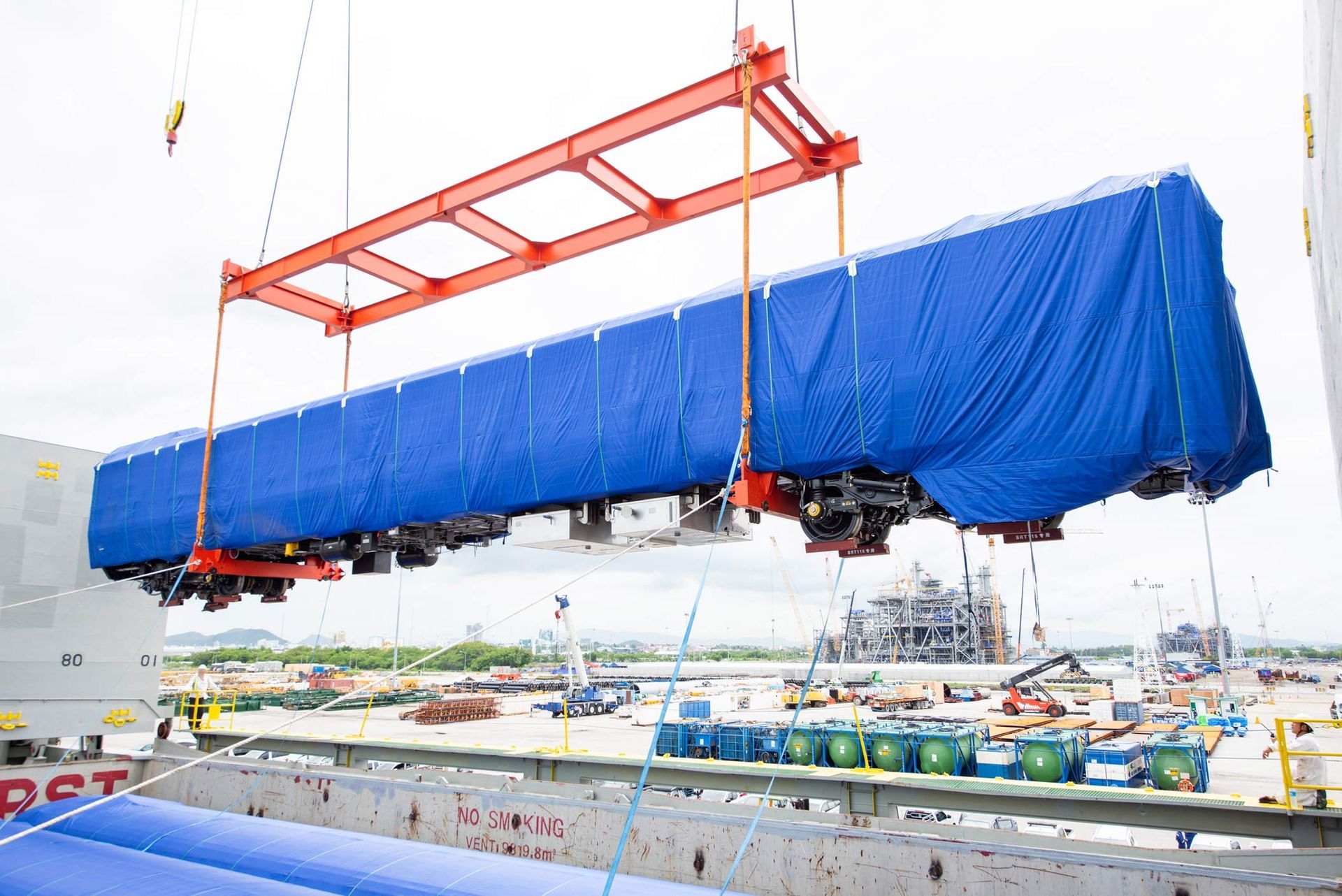
- Flatbed trailers hauling oversized or uneven loads may combine manual tarps for load-specific coverage with automated rolling systems for routine runs.
- Roll-off trucks handling debris boxes benefit from roll-off box tarp systems that reduce physical demands on commercial and industrial sites.
For fleets operating across multiple vehicle types, a mixed approach is sometimes the most practical answer.
Making the Right Call for Your Baton Rouge Fleet
The right system depends on your run frequency, load type, budget, and safety priorities. Industrial automatic tarp systems serving Baton Rouge, LA, fleets are well-suited to high-volume, high-frequency hauling where time, consistency, and driver safety matter most. Manual systems may still serve smaller or lower-frequency fleets needing a straightforward, lower-cost solution.
At Covers Unlimited Inc., we manufacture and supply both manual and automatic tarp solutions from our Baton Rouge location. To discuss your fleet's needs or request a quote, contact our team at (225) 261-4057 or visit the tarp and cover estimates page.
Frequently Asked Questions
Do Automatic Tarp Systems Work on All Truck Types?
Most industrial automatic tarp systems are engineered for dump trucks, flatbeds, and roll-offs.
Does Louisiana Require Tarps on Dump Trucks?
Louisiana does not have a statute naming tarps as mandatory, but loads cannot drop or escape.
How Long Does It Take to Deploy an Automatic Tarp System?
Most motorized systems fully extend over a loaded bed in well under a minute, often in seconds.
Are Manual Tarps Still Worth Using for Small Fleets?
Manual tarps can be practical for smaller operations with lower daily run counts that do not require rapid turnaround.